

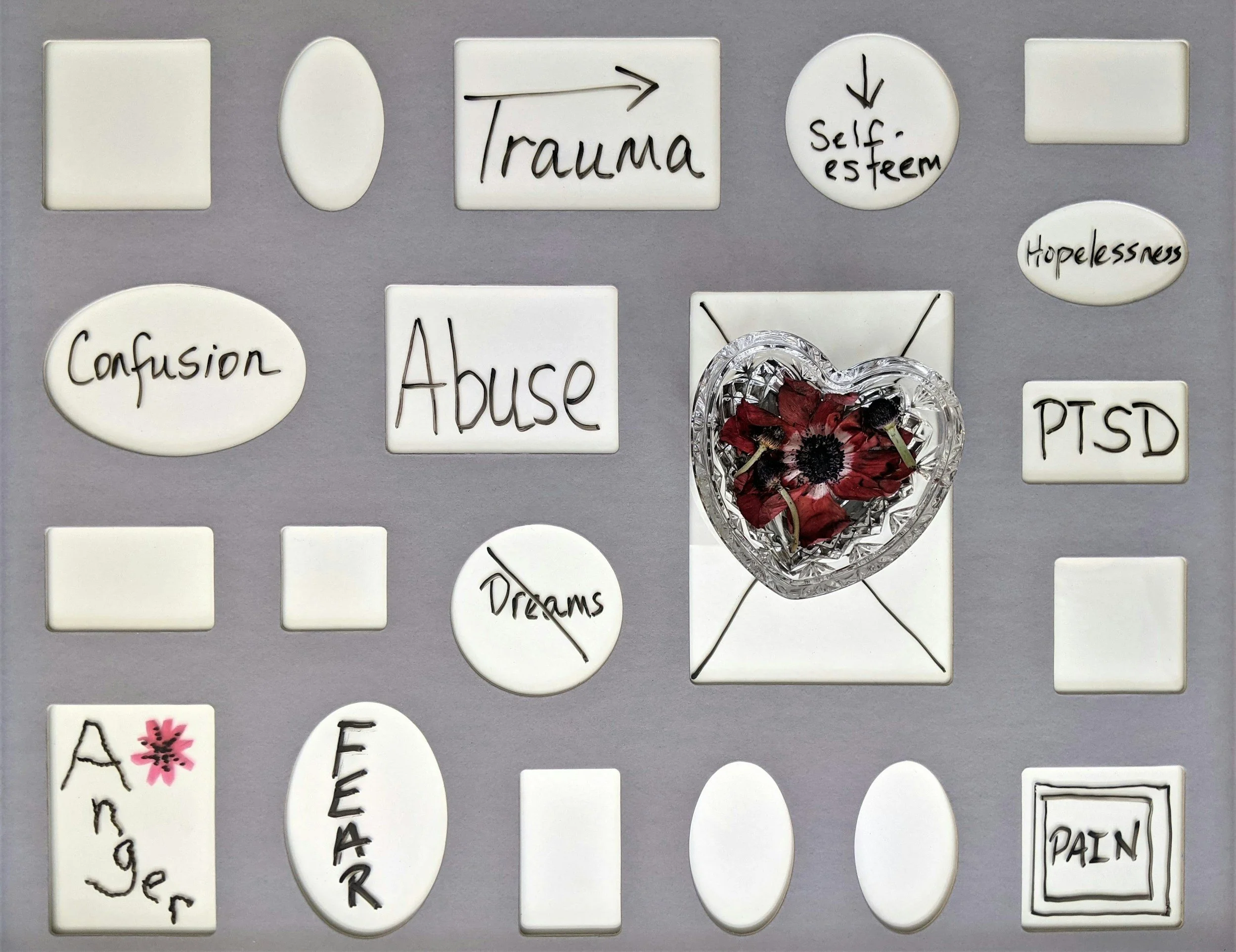
How Trauma Affects the Brain and Body
When people hear the word "trauma," they often think of a single major event. While trauma can result from experiences such as accidents, abuse, violence, or natural disasters, it can also develop from ongoing experiences like chronic stress, difficult relationships, neglect, or repeated exposure to overwhelming situations.
One of the most important things to understand about trauma is that it doesn't just affect our thoughts and emotions—it can affect our entire nervous system. Trauma is not simply something we "get over." It is something our brain and body learn to adapt to in order to survive.
Understanding the Brain's Survival Response
Our brains are designed to keep us safe. When we perceive danger, the brain activates the body's survival system. This response happens automatically and often much faster than conscious thought.
Many people are familiar with the "fight or flight" response, but there are actually four common survival responses:
Fight
The fight response prepares us to confront a threat. This might look like:
Anger or irritability
Defensiveness
Controlling behaviors
Difficulty calming down after conflict
Flight
The flight response prepares us to escape danger. This might appear as:
Anxiety or panic
Overworking
Staying constantly busy
Difficulty relaxing
Perfectionism
Freeze
The freeze response occurs when the brain determines that fighting or fleeing is not possible.
People experiencing a freeze response may notice:
Feeling stuck or overwhelmed
Difficulty making decisions
Numbness or disconnection
Lack of motivation
Shutting down emotionally
Fawn
The fawn response involves prioritizing the needs of others in order to maintain safety.
This may look like:
People-pleasing
Difficulty saying no
Fear of disappointing others
Ignoring personal needs
Seeking approval to avoid conflict
These responses are not character flaws. They are survival strategies that developed for a reason.
Physical Symptoms of Trauma
Trauma often shows up in the body, even when someone is not actively thinking about a traumatic experience.
Common physical symptoms may include:
Difficulty sleeping
Fatigue or low energy
Muscle tension
Headaches
Stomach problems
Chronic pain
Increased heart rate
Feeling constantly on edge
Startling easily
Many people are surprised to learn that their physical symptoms may be connected to unresolved stress or trauma stored within the nervous system.
What Are Triggers?
A trigger is anything that reminds the brain of a past threatening or overwhelming experience.
Triggers can be obvious, such as a specific place or situation. They can also be subtle, including:
Certain smells
Sounds
Dates or anniversaries
Particular tones of voice
Relationship conflicts
Feeling criticized or rejected
When triggered, the brain may react as if the original danger is happening again, even when the person is currently safe.
This is why someone may feel intense fear, anxiety, anger, or emotional overwhelm that seems disproportionate to the present situation.
Recovery and Healing Are Possible
The good news is that the brain and nervous system are capable of healing.
Recovery does not mean forgetting what happened. Instead, healing involves helping the brain recognize that the traumatic experience is in the past and that the body no longer needs to remain in survival mode.
Therapy can help individuals:
Understand their trauma responses
Identify triggers
Develop healthy coping skills
Increase feelings of safety and stability
Process traumatic experiences in a supportive environment
Approaches such as EMDR (Eye Movement Desensitization and Reprocessing) can help the brain reprocess distressing memories so they no longer feel as overwhelming in daily life.
You Are Not Weak—Your Nervous System Is Doing Its Job
Many people blame themselves for their reactions to trauma. They may wonder why they struggle with anxiety, emotional overwhelm, relationship difficulties, or physical symptoms years after an experience occurred.
The reality is that these responses often reflect a nervous system that learned how to survive.
Healing begins with understanding that your reactions make sense in the context of what you've experienced. With support, self-compassion, and effective treatment, it is possible to move from surviving to thriving.
If you're struggling with the effects of trauma, know that you don't have to navigate the healing process alone. Therapy can provide a safe space to understand your experiences, build resilience, and move toward lasting recovery.
